
Written by the team at Treat Dreams Inc — a small-batch dessert café serving Glendale and El Mirage, Arizona.
Most people pick a bakery the same way they pick a gas station: whichever one’s closest. That works fine when you just want a coffee or a quick muffin. It does not work when you actually care what your dessert tastes like. The problem is that every bakery’s storefront looks roughly the same — glass case, paper bags, a chalkboard menu — but the gap between a real craft bakery and a glorified reseller of frozen-then-thawed product is enormous.
This guide walks through how to spot the difference. It’s written from the bakery side of the counter, so the signs below are the things bakers themselves use to evaluate other bakeries. Use it the next time you’re searching for premium desserts and want to actually find them.
A great dessert is mostly invisible work. The ingredients you can see — chocolate, butter, fruit, nuts — are only the ending of a long process that starts with sourcing decisions, recipe development, and quality control routines that customers never witness. When you pick a bakery, you’re not picking a flavor. You’re picking the entire chain of decisions behind that flavor.
According to industry tracking from sources like the Specialty Food Association, the craft and small-batch dessert category has grown faster than its mass-produced counterpart for nearly a decade. The reason is simple: people have realized that “convenient” and “good” are not the same thing.
Premium doesn’t mean fancy plating or imported wrappers. In dessert terms, it means a few specific things:
Anyone selling you “premium” without those four things is selling marketing. The good news is that you can confirm them in about five minutes at the counter.
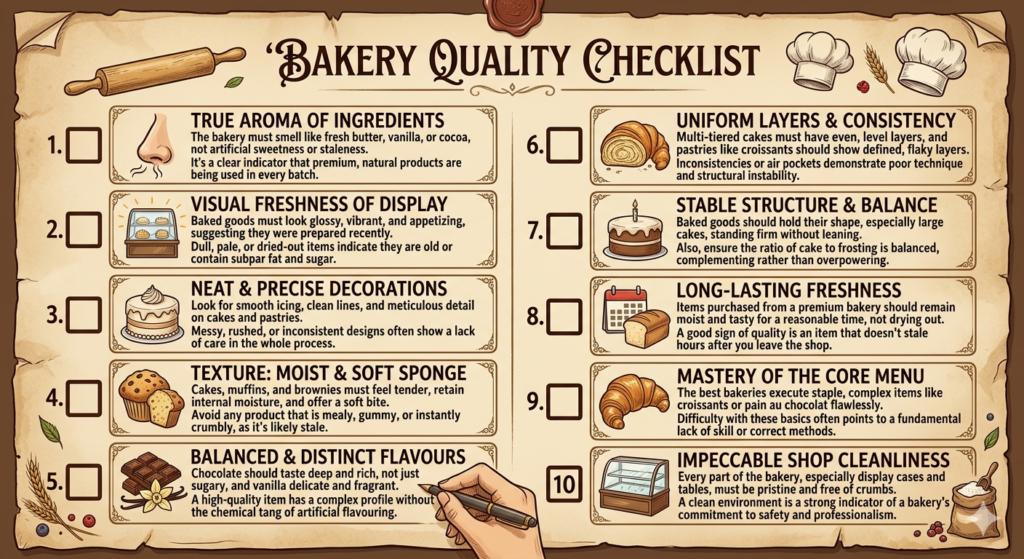
These are the practical signs that separate a craft bakery from a chain or a frozen-product reseller. None of them require you to be an expert.
A bakery that’s open seven days a week from 6am to 10pm is almost certainly buying pre-made product. Real small-batch baking takes time, oven space, and human attention, which is why many of the best craft bakeries operate on tighter schedules. That schedule isn’t a limitation — it’s a quality signal. You can see how this works in practice in the breakdown of small-batch desserts and the kitchen process behind them.
Ask what’s in the brownie. If you get a confident, immediate answer — “butter, eggs, premium cocoa, sugar, flour, vanilla” — that’s a good sign. If you get a long list including stabilizers, preservatives, and chemicals you can’t pronounce, that bakery is shipping shelf-stable product engineered to survive a week on a truck.
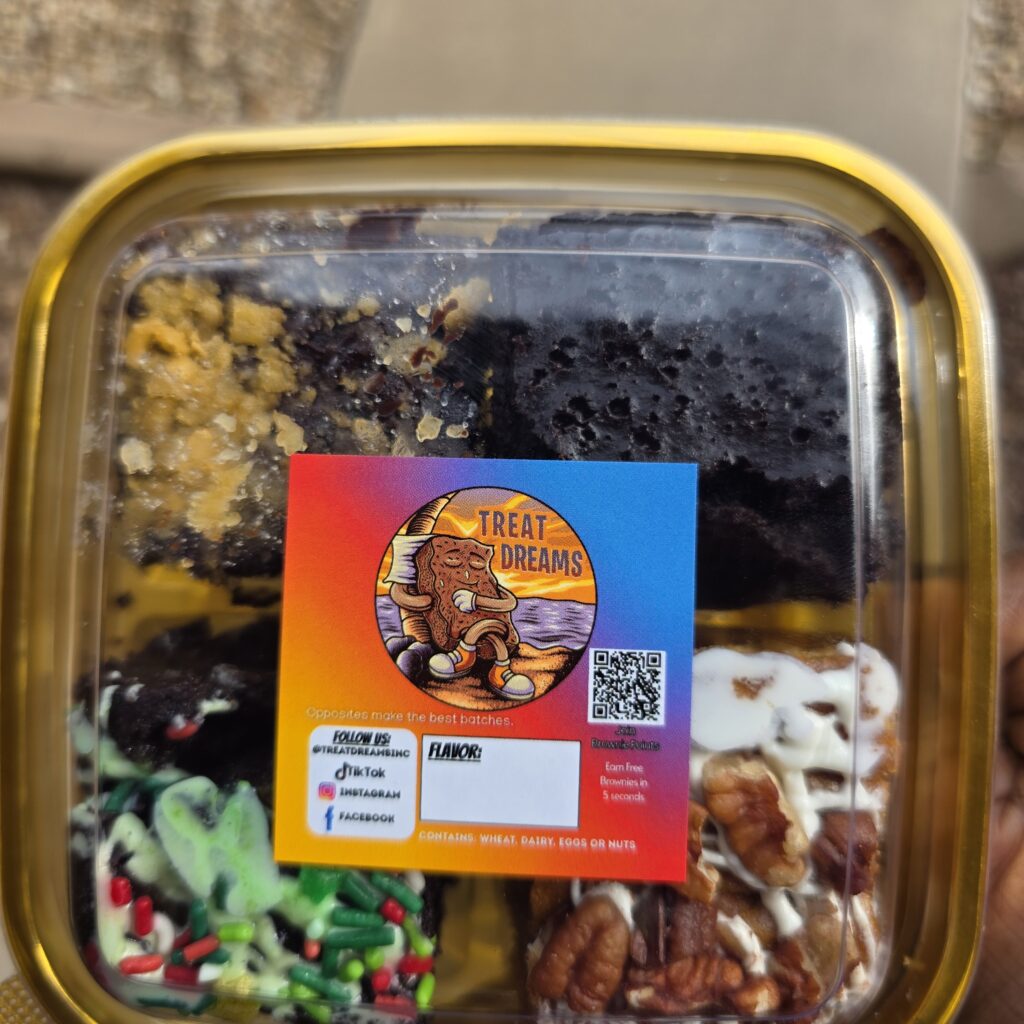
Watch what happens when an item doesn’t look right. A craft bakery pulls it. A volume bakery sells it. If the staff knows the items by name and can describe how each one was made, the quality control is happening at the human level. If the items are pre-packaged behind plastic with stickers, that’s a different kind of operation.
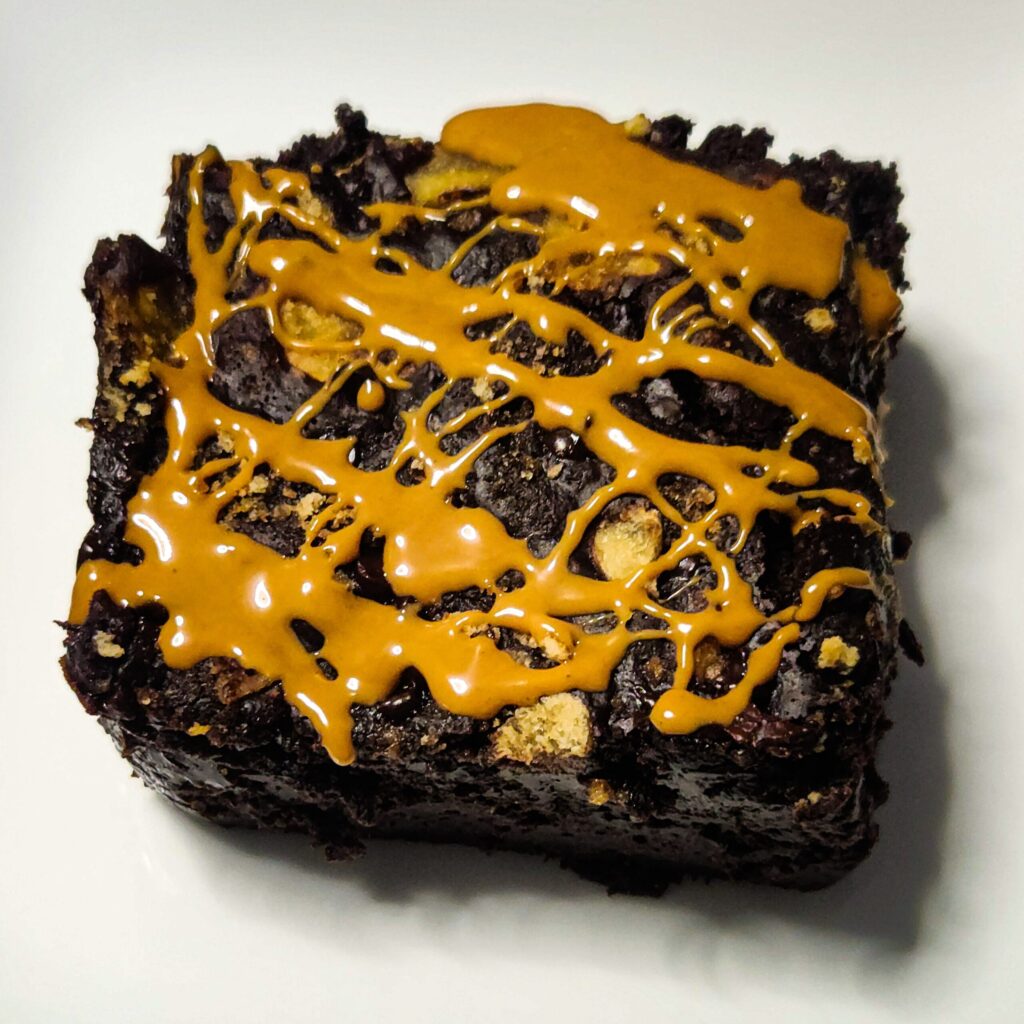
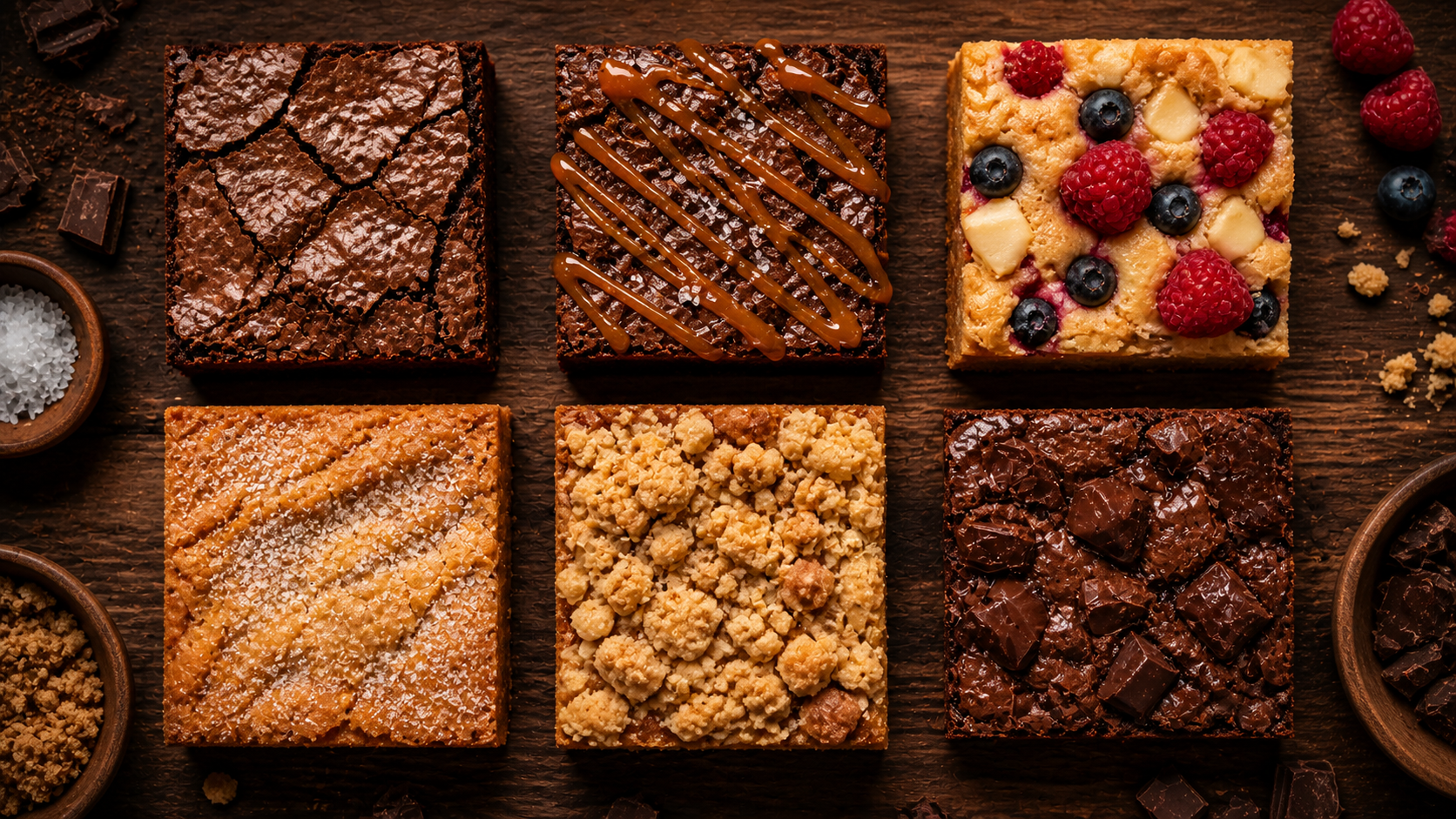
This is the easiest test. Ask the staff what their fudgy brownie is supposed to feel like, and listen for whether they describe a deliberate target — “dense, moist, with a shiny crackled top” — or shrug and say “it’s a brownie.” A real bakery has opinions about texture because they engineered it. The deeper science behind this is broken down in this guide on chewy vs fudgy brownies.
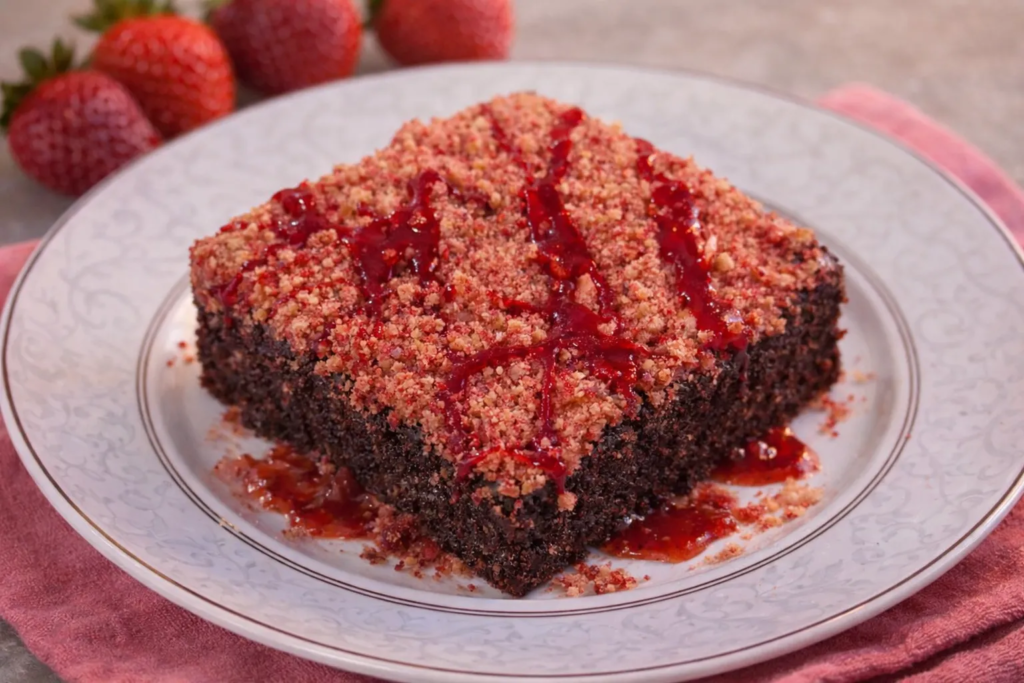
Look for seasonal items, retired flavors, and “we’re testing this” notes. A bakery that runs the same exact menu for five years isn’t really developing recipes — it’s reordering inventory. A bakery whose lineup shifts when customer feedback shifts is one that listens. The current lineup is usually the easiest signal; check the treat dreams menu for an example of how seasonal rotation actually looks in practice.
Bakeries that pride themselves on freshness will tell you exactly when something was made. They’ll often sell out of items rather than restock with frozen product. That “sold out” sign is actually a competitive advantage — it means the operation prioritizes peak quality over guaranteed availability.
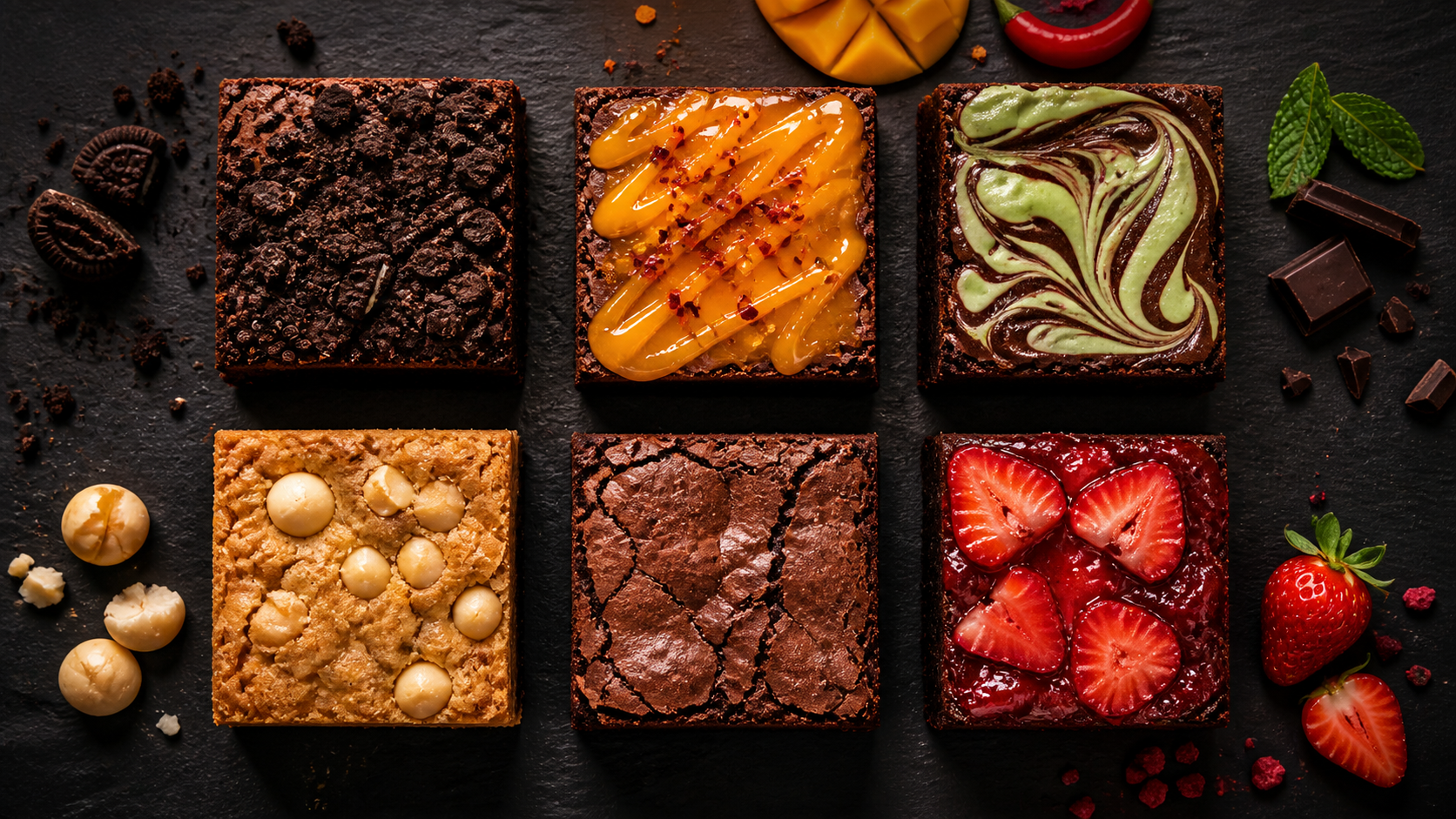
A bakery that sells brownies, cookies, cupcakes, scones, croissants, donuts, pies, sandwiches, and ice cream is almost certainly outsourcing several of those categories. A bakery that does two or three things at an exceptional level usually beats the generalist on every shared category. This is why focused operations like a dessert shop that specializes in brownies and blondies tends to outperform a bakery trying to be everything to everyone.
This is the ultimate confidence test. Bakeries that let you taste before you buy are operations that trust their product. If a bakery never offers samples and won’t let you try a small piece, ask yourself why. Operations that are proud of what they make want you to taste it. The breakdown of how Treat Dreams’ most-requested items earned their reputation through tastings is covered in this writeup on sweet dreams treats.
A few warning signs worth taking seriously:
Three quick tests anyone can run on a first visit:
The first-bite test. Don’t analyze it. Just take a bite and notice your honest reaction. Did it taste alive? Did it taste like real ingredients? Or did it taste flat, generic, “fine”? Your instinct is more accurate than you think.
The texture test. Press lightly on the dessert. A great brownie or blondie should feel substantial but yielding. A mass-produced one usually feels uniform and slightly hollow — the kind of texture you get from machine portioning instead of hand-cutting. The deeper context on this is covered in the comparison of brownies vs blondies and how their texture profiles are intentionally engineered.
The talk test. Ask the person at the counter to describe their favorite item. Pay attention to whether they answer with marketing language (“oh they’re all great”) or with a real, specific opinion that includes texture, flavor balance, and how it pairs with other items. The latter means you’re talking to someone who actually knows the product.
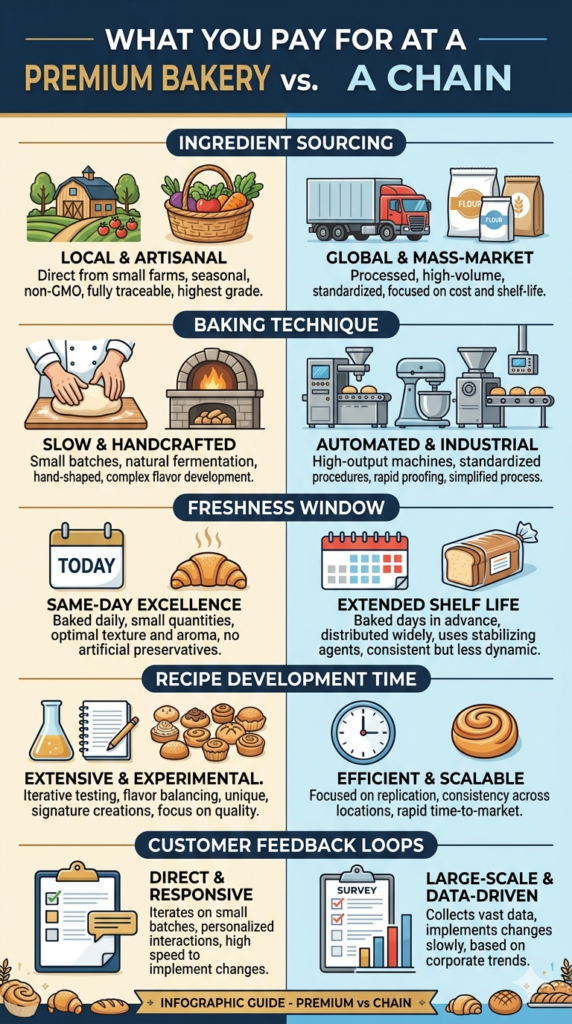
| Factor | Mass-Produced | Craft Bakery |
|---|---|---|
| Ingredients | Often oil, margarine, artificial flavoring | Real butter, premium chocolate, whole dairy |
| Production scale | Hundreds to thousands per batch | Small batches, often dozens at a time |
| Quality control | Statistical sampling | Every item visually inspected |
| Freshness window | Engineered for shelf life | Built to be eaten within days |
| Recipe changes | Rare, slow, corporate | Frequent, customer-driven |
| Pricing model | Volume-based discounts | Reflects ingredient and labor cost |
| Specialization | Wide, shallow menu | Narrow, deep menu |
| Customer feedback loop | Indirect via reviews | Direct, often face-to-face |
The differences look small line by line. They add up to a completely different end product.
A specific example helps. Here’s how the small-batch model plays out at a real Arizona bakery.
A craft bakery operating two locations in the West Valley bakes its core lineup — fudgy brownies, blondies, and seasonal items — in batches small enough that every tray gets visual inspection before it goes to the case. New flavors aren’t added by corporate decision. They emerge from customer requests at vendor events and in-store tastings. Items that customers consistently ask for go through three to five rounds of recipe testing before joining the standard menu. Items that don’t get traction quietly retire.
This model produces specific outcomes. The product is fresher because there’s no inventory pile to burn through. The menu evolves because the bakers are listening to actual customers, not market research summaries. The quality stays consistent because volume never gets large enough to dilute the attention paid to each item. You can read the longer version of this approach in our story, which traces how the operation got built around these constraints intentionally.
The same principles apply to any genuinely craft operation, anywhere. The model is what produces the result, not the marketing copy.
For anyone in the Phoenix West Valley searching for a serious dessert option, two physical locations cover the area:
You can find both spots on the locations page along with map links and parking notes. For shipping, custom event orders, or anyone hunting “best brownies near me” from outside the immediate metro area, the best brownies near me writeup covers the full lineup and what each flavor delivers.
Catering, large gatherings, and storefront resale are handled separately. Restaurants, retailers, and event planners interested in carrying or serving the products can review the wholesale page for partnership details. Email cs@treatdreamsinc.com for direct inquiries.
A few external references for anyone going deeper into bakery quality, ingredients, and craft food trends:
What makes a bakery actually count as “premium”?
A premium bakery is defined by what it refuses to compromise on, not by what it advertises. The marker is consistent use of real butter, premium chocolate, whole dairy, and small-batch baking technique. It’s also a bakery that engineers texture deliberately, lets you taste before you buy, and updates its menu when customers actually request change. Marketing claims alone don’t qualify a shop. Real ingredients and visible craft do.
How do I find the best dessert shop near me in Arizona?
Start by filtering search results for small, independent operations rather than chains, and check their reviews for specific mentions of texture, flavor depth, and ingredient quality. In the Phoenix West Valley, the two physical locations to know are 8302 W Glendale Ave in Glendale and 13802 N Verbena St in El Mirage. Both stock the full lineup of brownies, blondies, and rotating seasonal items, and both offer in-store tastings on most visits.
What questions should I ask a baker on my first visit?
Three good ones: What’s in this — what are the actual ingredients? What texture were you trying to hit when you developed this recipe? And what’s something on the menu you’re personally proud of? A real baker will answer all three with specifics. A reseller will give you marketing language or shrugs. The depth of the answers tells you how much craft is happening on site versus offsite.
Are smaller bakeries always better than chain bakeries for premium desserts?
Not always, but usually. Chains optimize for consistency, scale, and shelf life — all of which work against the qualities that define a great dessert. Small bakeries that take their craft seriously can hit flavor and texture levels that chains structurally can’t reach because of their volume requirements. The exception is the rare chain built around true craft principles, but those are uncommon. Default toward small and local when premium quality matters.
How do I tell if sweet treats are baked fresh on-site?
Look for production-area visibility, ask directly when items were baked, and notice whether the bakery sells out of items during the day. Bakeries that bake on site will give you a confident, specific answer about timing. They’ll also have varying inventory throughout the day instead of identical fully-stocked cases at every hour. Smell helps too — real on-site baking produces specific aromas that air fresheners can’t replicate convincingly.
Can a craft bakery handle large orders for events or catering?
Yes, with planning. Most craft bakeries can scale up for events, weddings, office gatherings, and other large orders, but they need advance notice because production happens in small batches rather than from inventory. Calling or emailing a few weeks ahead is the standard approach. For Arizona orders specifically, reaching out by phone at either Treat Dreams location or via cs@treatdreamsinc.com starts the conversation about quantities, timing, and customization within available options.
The best bakery near you isn’t the one with the loudest sign — it’s the one whose product still tastes like someone made it on purpose.